

RAILWAY PLANT & MACHINERY
Our next PWI theme is Railway Plant and Machinery and I am delighted to welcome our old friend Jack Pendle to introduce the subject as someone who has been involved in this area for most of his life. Mechanisation and automation are the key innovation aspects for a safe and efficient modern railway system to deliver maintenance and enhancement.
It is good to see that the PWI has an increased number of corporate members involved in the supply of plant and certainly all members have an input. Many of you use it on a day-day basis and all our designers need to be aware of the constructability of their work! This is why Construction Design Management (CDM) is so important and as it was not long ago that we celebrated 25 years of making work safer through these regulations, we must continue to strive to get the planning right. We are also delivering a major PWI event in November at Swindon Steam Museum.
Paul Baker talked in this Journal some years ago about the great developments in rail milling and two new trains will start soon across Network Rail (image 1). As we aspire to modernise high level work, the skyrailer is making a difference (image 2). Quattro, our Corporate Member, have an interesting rail crane which some readers may not have seen (image 3).
REFLECTION
We have made much progress in a number of areas despite running the Institution virtually. I am pleased to again report that we have had a high focus on our core, the technical aspects of railways, such as presentations, training, professional development and communication. It has been another good period for high quality and well attended virtual Section meetings with one online national event, the PWI London half-day seminar in early December. The focus was trackworker safety with an insightful update from Nick Millington showing great progress on the reduction of lookout protection. Sadly, the UK railway did have a trackworker fatality in February at Surbiton and this can only remind us that whilst permanent way work is essential for passenger safety, as professional engineers we should always strive to do what we can to improve safe systems of work. Also, there were some very relevant infrastructure safety presentations as part of the programme which made us all think, as it is now over 20 years since the fateful Hatfield derailment in 2000.
A LEARNING PROFESSION – EXPANDING OUR KNOWLEDGE
It’s been all hands to the pumps in getting our Technical Hub ready for the new website. Andy Steele, Andy Packham, Stephen Barber and I have been categorising technical content to provide a more focussed service to members by enabling an easy search facility. The richness, quality and “state of the art-ness” of many PWI presentations both at seminars and Section meetings is an amazingly valuable resource. We have also recommenced our strategic review of textbooks and guides. Andy Steele starts us off with his “back to basics”.
In the last Journal we discussed spreading knowledge about loading and stresses in track forms and how they degrade over time and with traffic. As permanent way engineers and infrastructure engineers we need to understand asset life. Gauge spread on timber bearers is nothing new but with limited access and possibly less experienced people, we need to pass on our knowledge of what the tell-tale signs are to colleagues. Understanding the lateral forces that trains exert may be different than when it was when our track was installed.
However, gauge spread on concrete bearers is not as well known. We have been installing these for over 40 years with many well researched and laboratory tested designs. Our knowledge was enhanced by presenters Andy Jones and Nick Carter at the PWI Wessex Section meeting on 11 February. They gave an excellent and honest insight into the issues of BBRT60 inclined S&C designs which led to track failures that caused a derailment at Eastleigh in January 2020. Fortunately, there were no injuries as the speed was 12 mph but lots of damage and delay. A number of housings failed due to fatigue after 15 years of service but unusually sheared 30 mm below the concrete surface. This shows that we cannot always predict loadings but it seemed obvious to Andy and Nick that bending moments were not taken into account in the design. The important lessons relate to monitoring and non-destructive testing. There will be more on this in the next Journal (images 4-6).
RESILIENCE OF RAILWAYS & CLIMATE CHANGE
It was another interesting but not surprising start to the year with flooding again affecting the UK railways and we appear to continue to have high water levels in our flood plains.
However, I don’t think anybody expected another Beast from the East which was more excessive than 2017. I mentioned the new record of +20o C in Scotland in February 2019 as an interesting record and two years later we now have -20o C in Scotland in February 2021. Never was track maintenance weather precautions a more challenging issue. We will continue this theme and I welcome some practical experiences we can pass on to our members as Journal articles. Joan Heery as Chair of our new PWI Climate Change and Decarbonisation panel will be updating us on developments.
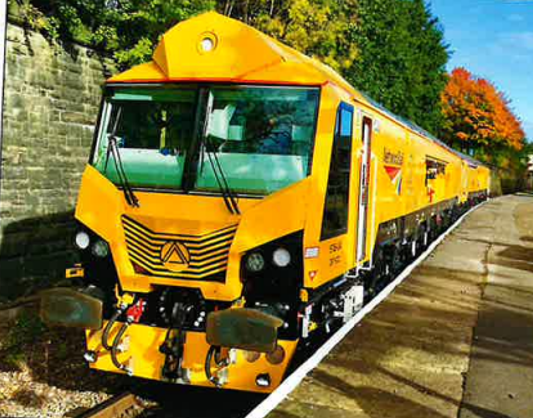
Image 1: Network Rail SF06-UK milling machine from Linsinger Austria
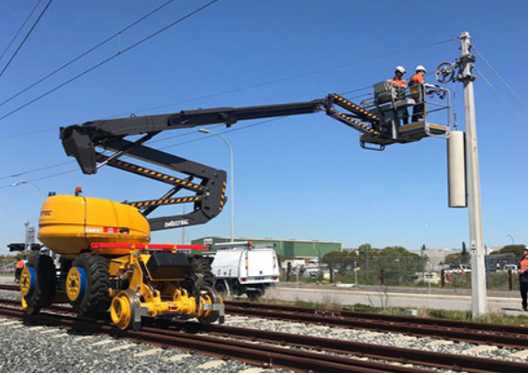
Image 2: Skyrailer remotely operated mobile elevated working platform
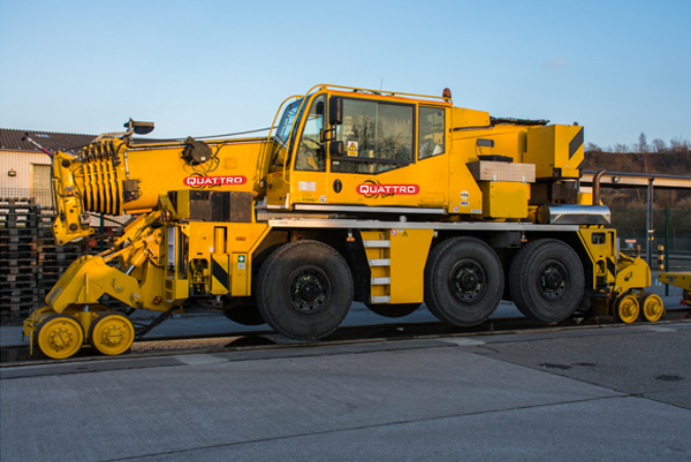
Image 3: Quattro road rail crane
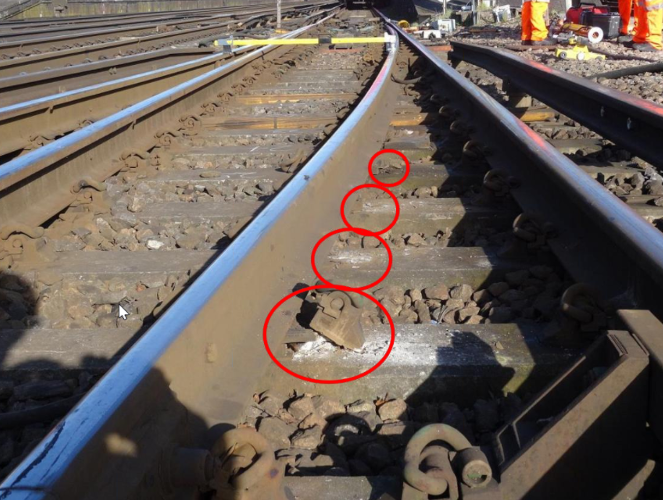
Image 4: Eastleigh derailment 28 January 2020 – The broken fastenings

Image 5: Eastleigh derailment 28 January 2020 – The design drawing
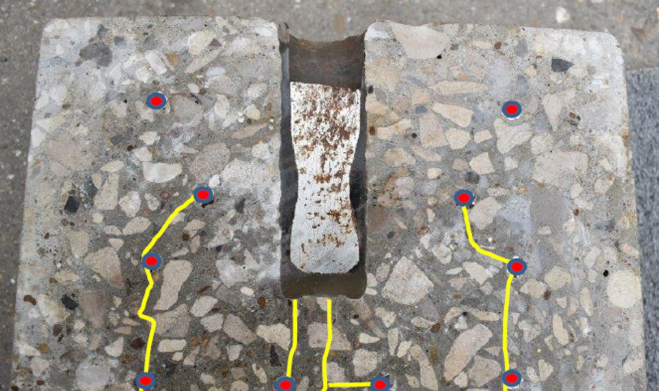
Image 6: Eastleigh derailment 28 January 2020 – The sheared pandrol housing
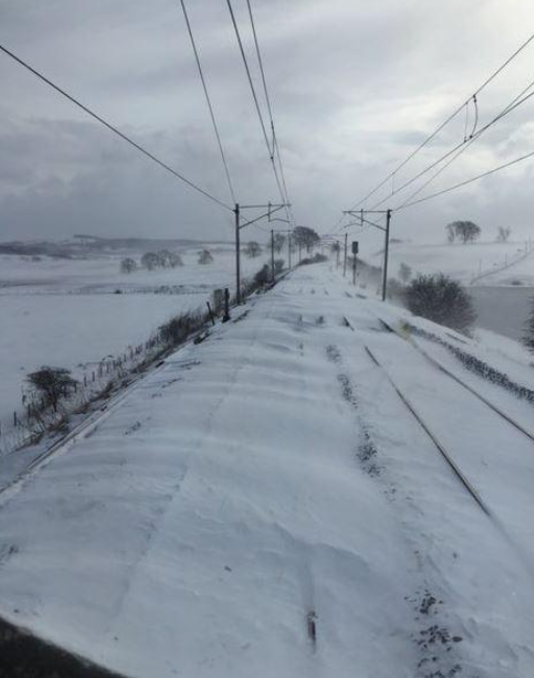
Image 7: Resilience – February snow challenges in Scotland (photo: Network Rail)